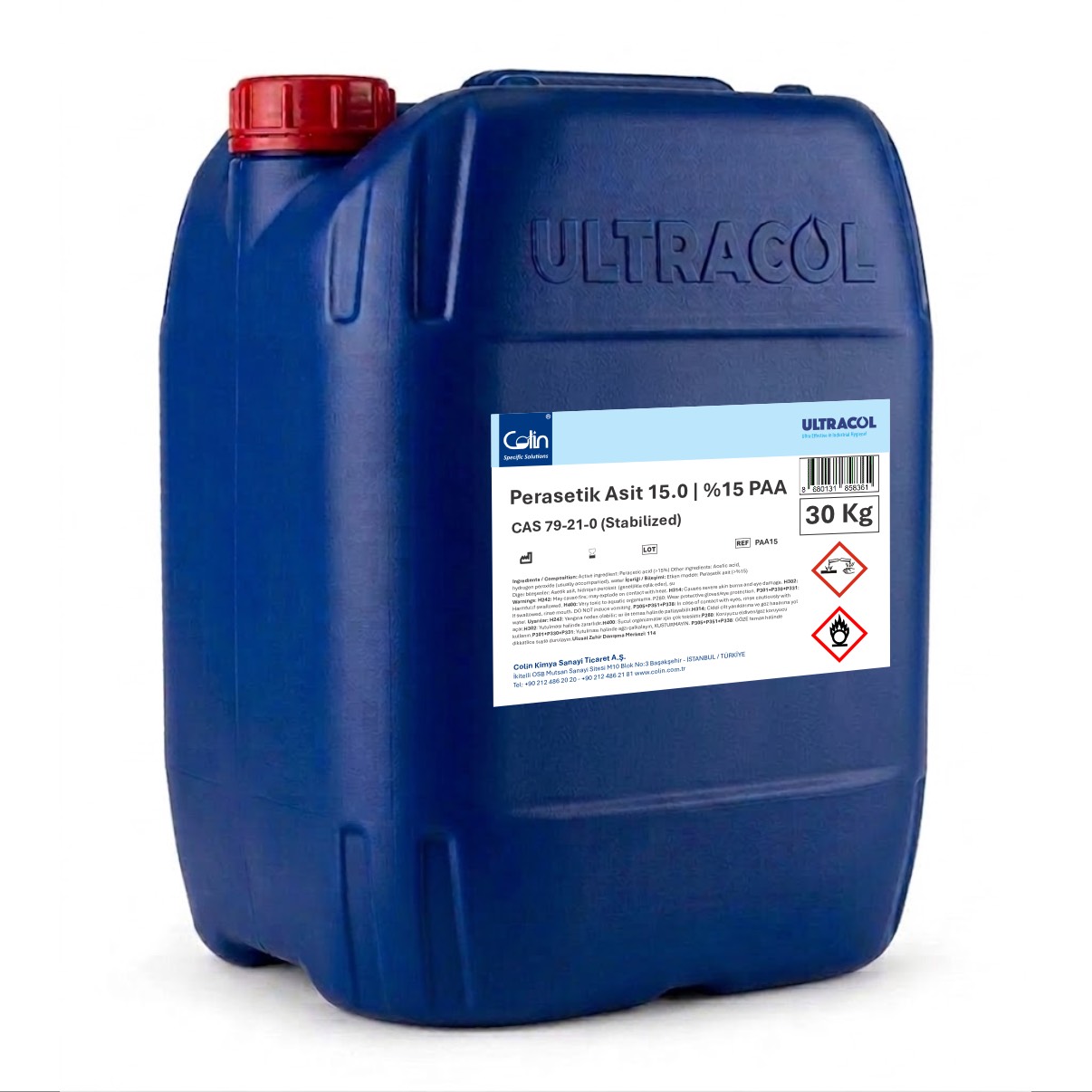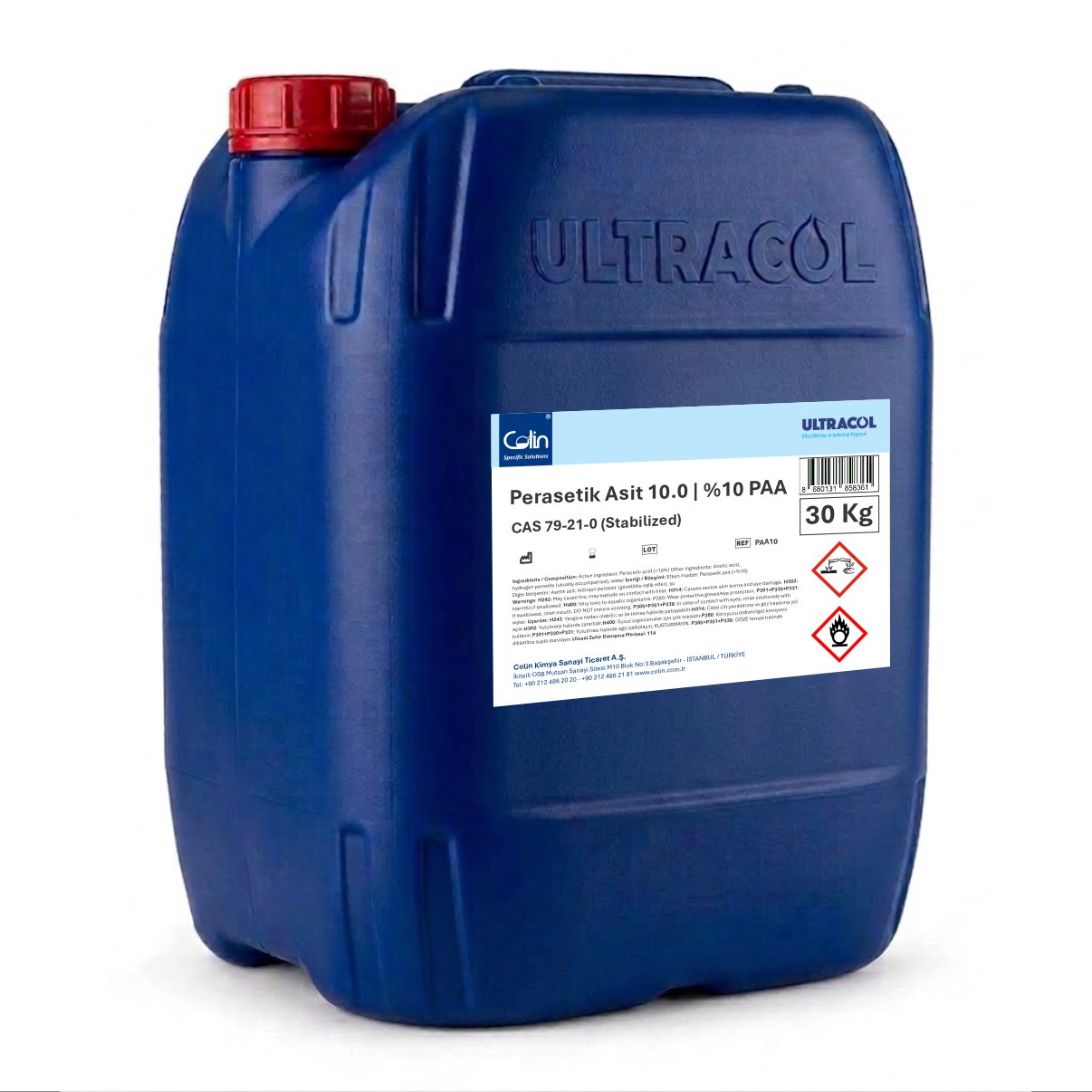


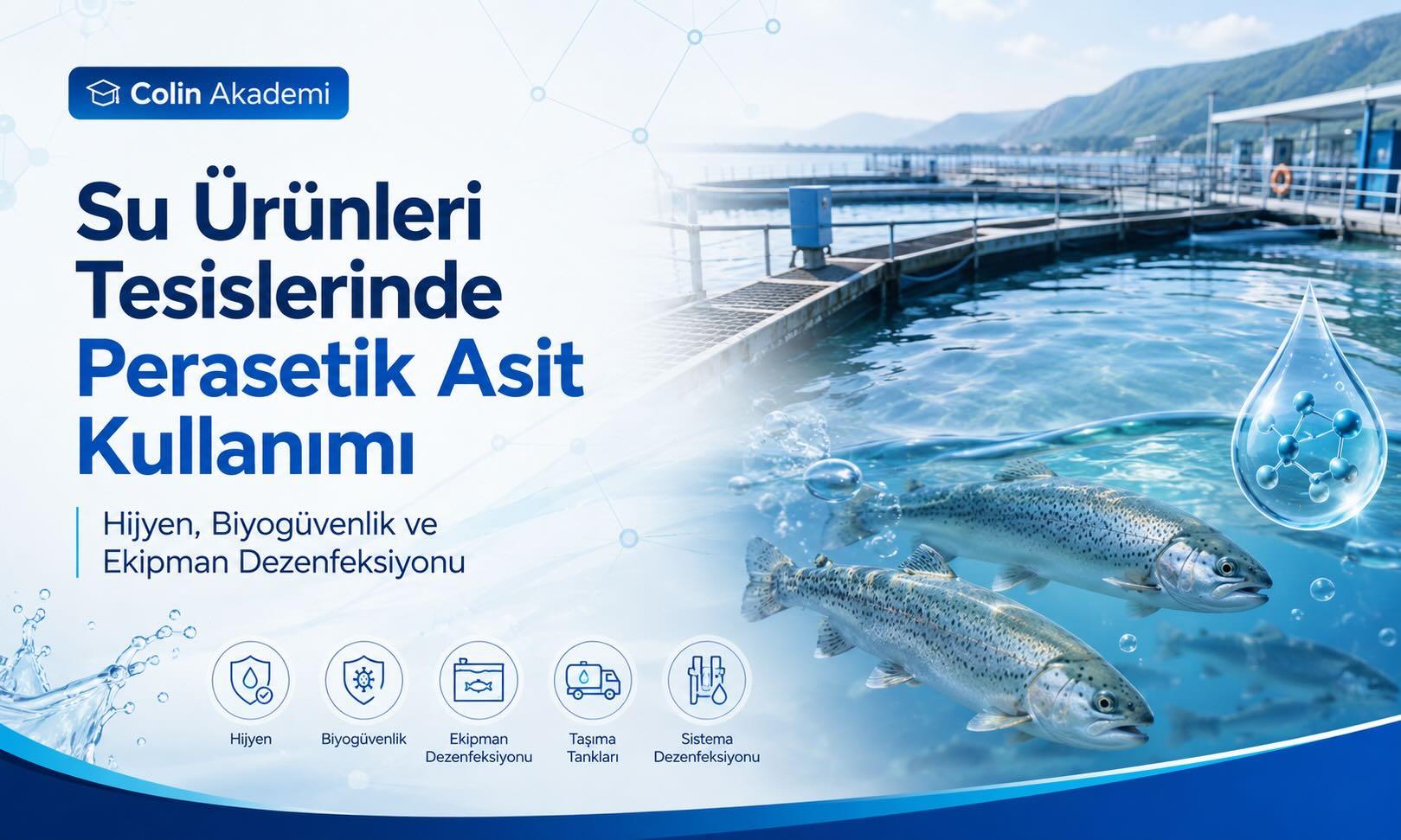
Perasetik asit, su ürünleri üretim tesislerinde özellikle canlı balık tedavisi iddiasından uzak şekilde; boş havuz ve tank dezenfeksiyonu, ekipman hijyeni, kuluçkahane ekipman temizliği, taşıma tankı dezenfeksiyonu, biyogüvenlik geçiş noktaları ve üretim dönemi arası sistem temizliği için değerlendirilebilecek güçlü oksidatif dezenfektanlardan biridir.
Su ürünleri üretim tesislerinde hijyen yönetimi; balık sağlığı, üretim verimliliği, çapraz kontaminasyonun önlenmesi ve işletme biyogüvenliği açısından kritik bir konudur. Özellikle alabalık üretimi gibi yoğun yetiştiricilik yapılan sistemlerde havuzlar, tanklar, ağlar, kepçeler, taşıma ekipmanları, kuluçkahane üniteleri, su hatları ve yardımcı ekipmanlar düzenli olarak mikrobiyal yük kontrolüne ihtiyaç duyar.
Bu amaçla sektörde Kloramin-T, formaldehit/formalin, hidrojen peroksit ve perasetik asit gibi farklı kimyasal gruplar kullanılabilmektedir. Ancak bu kimyasalların kullanım amacı aynı değildir. Bazıları canlı balık banyosu veya yumurta uygulaması gibi özel teknik alanlarla ilişkilidir. Perasetik asit bazlı ürünler ise özellikle hijyen, biyogüvenlik, ekipman dezenfeksiyonu ve mikrobiyal yük kontrolü amacıyla güçlü bir alternatif olarak değerlendirilebilir.
Perasetik asit bazlı ürünler, bu yazı kapsamında canlı balık tedavi ürünü olarak değil; tesis hijyeni, boş sistem dezenfeksiyonu, ekipman hijyeni ve biyogüvenlik uygulamaları açısından değerlendirilmektedir. Canlı balık bulunan suya doğrudan dozlama, balık banyosu veya yumurta üzerine doğrudan uygulama gibi özel işlemler için proses bilgisi, su parametreleri ve uzman teknik değerlendirme gerekir.
Perasetik Asit Nedir?
Perasetik asit, kısaca PAA; perasetik asit, hidrojen peroksit, asetik asit ve sudan oluşan güçlü oksidatif bir dezenfeksiyon sistemidir. Uygun koşullarda hızlı parçalanması, geniş antimikrobiyal etki spektrumu ve klor bazlı dezenfektanlara kıyasla kalıcı klorlu yan ürün oluşturma riskinin düşük olması nedeniyle farklı endüstriyel hijyen uygulamalarında tercih edilmektedir.
Su ürünleri tesisleri açısından PAA’nın en önemli avantajı, doğru uygulama noktalarında kullanıldığında mikrobiyal yükün azaltılmasına, ekipman hijyeninin artırılmasına ve üretim dönemleri arasında biyogüvenlik seviyesinin yükseltilmesine katkı sağlayabilmesidir.
Su Ürünleri Tesislerinde PAA Nerelerde Değerlendirilebilir?
Perasetik asit bazlı ürünler, su ürünleri üretim tesislerinde en güvenli ve pratik şekilde canlı balık bulunmayan alanlarda; yani boş sistem, ekipman, yüzey ve yardımcı ekipman dezenfeksiyonunda konumlandırılmalıdır.
| Uygulama Alanı | PAA Kullanım Amacı | Teknik Not |
|---|---|---|
| Boş havuz ve tanklar | Genel dezenfeksiyon, biyofilm ve mikrobiyal yük azaltma | Balık yokken uygulanması en güvenli alandır. |
| Ağ, kepçe, file, separatör | Çapraz kontaminasyon riskinin azaltılması | Ön temizlik sonrası daha etkili sonuç verir. |
| Taşıma tankları | Sevkiyat öncesi ve sonrası hijyen | Durulama ve aktif madde kontrolü önemlidir. |
| Kuluçkahane ekipmanları | Tepsi, elek, kanal ve yardımcı parçaların hijyeni | Yumurta üzerine doğrudan uygulama ayrı teknik değerlendirme gerektirir. |
| Boru, kanal ve drenaj hatları | Biyofilm ve mikrobiyal yük kontrolü | Kapalı devre sistemlerde biofiltre etkisi dikkate alınmalıdır. |
| Ayak banyosu ve geçiş noktaları | Tesis içi biyogüvenlik | Personel ve ekipman kaynaklı bulaş riskini azaltmaya yardımcı olur. |
| Boş RAS / kapalı devre sistemler | Üretim dönemi arası sistem temizliği ve dezenfeksiyon | Biofiltre canlıysa standart dezenfeksiyon yaklaşımı uygulanmamalıdır. |
| Kesim ve yardımcı işlem alanları | Yüzey ve ekipman hijyeni | Gıda temas yüzeylerinde ürün uygunluğu ve durulama şartı ayrıca değerlendirilmelidir. |
1. Boş Havuz ve Tank Dezenfeksiyonu
Üretim dönemi sonunda veya parti değişimlerinde boşaltılmış havuz ve tanklarda organik kalıntılar, biyofilm ve mikrobiyal yük birikebilir. Bu alanların yalnızca suyla yıkanması, özellikle biyofilm oluşumu varsa yeterli hijyen sağlamayabilir.
PAA, ön temizlik sonrası boş havuz ve tanklarda mikrobiyal yükün azaltılması amacıyla değerlendirilebilir. Bu uygulama, hastalık döngüsünün kırılması, parti geçişlerinde biyogüvenliğin artırılması ve üretim alanlarının yeniden kullanıma hazırlanması açısından önemlidir.
2. Ağ, Kepçe, File ve Yardımcı Ekipman Hijyeni
Ağlar, kepçeler, elekler, separatörler ve temas eden yardımcı ekipmanlar farklı tanklar veya üretim alanları arasında taşındığında çapraz kontaminasyon riski oluşturabilir. Bu ekipmanların her kullanımdan sonra temizlenmesi ve uygun dezenfektanla işlem görmesi, işletme içi biyogüvenlik için önemlidir.
PAA bazlı ürünler, bu tip ekipmanlarda özellikle mekanik temizlik ve ön yıkama sonrasında dezenfeksiyon amacıyla değerlendirilebilir. Organik yükün azaltılması, PAA etkinliğini artıran temel uygulama şartlarından biridir.
3. Taşıma Tankları ve Sevkiyat Ekipmanları
Canlı balık taşıma tankları, oksijenlendirme sistemleri, hortumlar, pompalar ve bağlantı parçaları sevkiyat öncesi ve sonrası hijyen açısından kritik ekipmanlardır. Taşıma sırasında farklı üretim alanları veya farklı işletmeler arasında patojen taşınması riski bulunabilir.
Bu nedenle PAA, taşıma tanklarının ve yardımcı sevkiyat ekipmanlarının boş haldeyken dezenfeksiyonu için uygun bir biyogüvenlik aracı olarak değerlendirilebilir. Uygulama sonrasında durulama, havalandırma ve aktif madde kontrolü yapılması önerilir.
4. Kuluçkahane Ekipmanları
Kuluçkahane alanları, su ürünleri üretiminde en hassas hijyen bölgelerinden biridir. Yumurta tepsileri, inkübasyon kanalları, elekler, su dağıtım parçaları ve yardımcı ekipmanlar mikrobiyal yük açısından düzenli kontrol edilmelidir.
PAA bu alanda özellikle ekipman hijyeni için değerlendirilebilir. Ancak yumurta üzerine doğrudan uygulama yapılacaksa bu artık standart yüzey dezenfeksiyonu olarak değerlendirilmemelidir. Tür, gelişim evresi, temas süresi, konsantrasyon, su sıcaklığı ve yerel mevzuat ayrıca değerlendirilmelidir.
5. Boru Hatları, Kanallar ve Drenaj Alanları
Su ürünleri tesislerinde boru hatları, su dağıtım kanalları, drenaj noktaları ve düşük akışlı bölgeler biyofilm oluşumu açısından riskli alanlardır. Biyofilm, yalnızca mikrobiyal yük kaynağı olmakla kalmaz; aynı zamanda dezenfektan etkinliğini azaltabilir ve patojenlerin korunmasına neden olabilir.
PAA, boş sistemlerde veya üretim arası temizlik dönemlerinde bu alanlarda biyofilm ve mikrobiyal yük yönetimi açısından değerlendirilebilir. Kapalı devre sistemlerde ise biofiltre yapısı nedeniyle uygulama daha dikkatli ele alınmalıdır.
6. RAS ve Kapalı Devre Sistemlerde Değerlendirme
Recirculating Aquaculture System, yani RAS sistemlerinde PAA kullanımı özel dikkat gerektirir. Kapalı devre sistemlerde biofiltre, amonyak ve nitrit yönetimi açısından sistemin kritik parçasıdır. Bu nedenle PAA’nın biofiltre üzerindeki etkisi uygulama öncesinde mutlaka değerlendirilmelidir.
RAS sistemlerinde PAA için en güvenli başlangıç yaklaşımı; canlı balık ve aktif biofiltre devredeyken rutin dozlama önermek değil, boş sistem temizliği, parti arası sistem resetleme ve kontrollü pilot uygulama olarak değerlendirmektir.
Kapalı devre/RAS sistemlerinde PAA uygulaması planlanıyorsa; biofiltre durumu, organik yük, su sıcaklığı, pH, alkalinite, çözünmüş oksijen, balık yoğunluğu ve hedef temas süresi bilinmeden kesin uygulama önerisi verilmemelidir.
7. Ayak Banyosu ve Ekipman Geçiş Noktaları
Personel, ekipman ve yardımcı araçlar tesis içinde mikrobiyal taşınıma neden olabilir. Bu nedenle üretim alanları arasında geçiş noktalarında ayak banyosu, ekipman dezenfeksiyon noktası ve kontrollü hijyen uygulamaları önemlidir.
PAA bazlı ürünler, doğru konsantrasyon ve temas süresiyle bu alanlarda biyogüvenlik uygulamalarının bir parçası olarak değerlendirilebilir. Çözelti değişim sıklığı ve aktif madde kontrolü uygulamanın güvenilirliği açısından önemlidir.
8. Kesim, Hazırlık ve Yardımcı İşlem Alanları
Balık işleme, kesim, hazırlık veya paketleme öncesi yardımcı alanlarda yüzey hijyeni önemlidir. PAA, gıda endüstrisinde yüzey ve ekipman hijyeni amacıyla değerlendirilen oksidatif dezenfektanlardan biridir.
Gıda temas yüzeylerinde kullanılacak ürünün uygunluğu, uygulama konsantrasyonu, temas süresi, durulama gerekliliği, aktif madde kalıntısı ve yerel mevzuat ayrıca dikkate alınmalıdır.
PAA’nın Öne Çıkan Avantajları
| Geniş spektrumlu etki
Bakteri, maya, küf ve bazı viral yapılara karşı oksidatif dezenfeksiyon potansiyeli sunar. |
Hızlı parçalanma
Uygun koşullarda asetik asit, oksijen ve su gibi daha basit yapılara parçalanır. |
| Klorlu yan ürün riski düşük
Klor bazlı dezenfektanlara kıyasla kalıcı klorlu yan ürün oluşturma riski daha düşüktür. |
Ölçülebilir aktif madde
PAA test kitleri ile uygulama sırasında aktif madde seviyesi takip edilebilir. |
Canlı Balık Bulunan Suda PAA Kullanımı Hakkında Dikkat
PAA’nın akuakültürde su dezenfektanı olarak araştırılması, her işletmede doğrudan ve standart şekilde canlı balık bulunan suya uygulanabileceği anlamına gelmez. Canlı balık uygulamalarında balık türü, balık yaşı, stok yoğunluğu, su sıcaklığı, pH, alkalinite, organik yük, çözünmüş oksijen, temas süresi ve sistem tipi belirleyici faktörlerdir.
Bu nedenle PAA bazlı ürünlerin canlı balık banyosu, balık bulunan üretim suyuna doğrudan dozlama veya yumurta üzerine doğrudan uygulama amacıyla kullanılabilmesi için standart yüzey dezenfeksiyonu yaklaşımı yeterli değildir. Bu tip uygulamalar; uzman değerlendirmesi, pilot çalışma, kalıntı/aktif madde takibi, balık davranışı gözlemi ve mevzuat kontrolü gerektirir.
- Canlı balık bulunan üretim suyuna doğrudan PAA dozlama
- Balık banyosu uygulamaları
- Yumurta üzerine doğrudan uygulama
- Aktif biofiltre bulunan RAS sistemlerinde rutin dozlama
Colin Yaklaşımı: Genel Hijyen Haritası + Prosese Özel Kılavuz
Colin olarak su ürünleri üreticilerine yaklaşımımız, işletmenin ticari sırlarını öğrenmeden genel hijyen ve biyogüvenlik çerçevesi sunmak; özel bilgi paylaşıldığında ise prosese özel kullanım kılavuzu hazırlamaktır.
Bu kapsamda PAA bazlı ürünler öncelikle şu alanlarda değerlendirilmelidir:
- Boş havuz ve tank dezenfeksiyonu
- Ağ, kepçe, file ve yardımcı ekipman hijyeni
- Taşıma tankı ve sevkiyat ekipmanı dezenfeksiyonu
- Kuluçkahane ekipman hijyeni
- Boru, kanal ve drenaj hattı mikrobiyal yük kontrolü
- Üretim dönemi arası sistem temizliği
- Ayak banyosu ve ekipman geçiş noktaları
- İşleme ve yardımcı üretim alanlarında yüzey hijyeni
Canlı balık bulunan suya doğrudan uygulama, balık banyosu veya yumurta üzerine doğrudan uygulama gibi alanlarda ise tesisin proses bilgileri, su parametreleri ve hedef uygulama amacı bilinmeden standart öneri verilmemelidir.
Kontrollü Uygulama İçin PAA Test Kitinin Önemi
PAA su içinde zamanla parçalanan bir aktif maddedir. Parçalanma hızı; su sıcaklığı, organik yük, metal iyonları, pH, temas edilen yüzeyler ve sistem koşullarına göre değişebilir. Bu nedenle PAA uygulamalarında sadece başlangıç dozunu bilmek yeterli değildir; uygulama sırasında aktif PAA seviyesinin kontrol edilmesi önemlidir.
Su ürünleri tesislerinde PAA bazlı dezenfeksiyon ürünleri, mümkün olduğunda PAA Test Kiti ile birlikte değerlendirilmelidir. Böylece işletme, uygulama sırasında aktif madde seviyesini takip edebilir, gereksiz aşırı dozlamadan kaçınabilir ve dezenfeksiyon sürecini daha kontrollü hale getirebilir.
Önerilen çözüm yaklaşımı
Su ürünleri tesislerinde PAA uygulamasının yalnızca ürün seçimi olarak değil, kontrollü bir hijyen programı olarak ele alınması önerilir.
- PAA bazlı dezenfektan seçimi
- Uygulama alanına göre temas süresi ve yöntem planlaması
- Ön temizlik ve organik yük kontrolü
- Aktif PAA seviyesinin test kiti ile doğrulanması
- Prosese özel kullanım kılavuzunun hazırlanması
Sonuç
Perasetik asit, su ürünleri üretim tesislerinde özellikle hijyen, biyogüvenlik, boş sistem dezenfeksiyonu, ekipman hijyeni ve mikrobiyal yük kontrolü açısından güçlü bir alternatif olarak değerlendirilebilir. Alabalık üretiminde PAA’nın en güvenli ve ticari olarak en doğru konumlandırması, canlı balık tedavisi iddiasından uzak durarak; tesis hijyeni, yardımcı ekipman dezenfeksiyonu, kuluçkahane ekipman hijyeni, taşıma tankı temizliği ve üretim arası sistem dezenfeksiyonu şeklinde yapılmalıdır.
Canlı balık, yumurta veya RAS biofiltre temaslı özel uygulamalarda ise genel öneri yerine kontrollü teknik protokol hazırlanmalıdır. Müşteri proses bilgisi paylaşmak istemiyorsa, PAA için genel kullanım alanları sunulabilir; ancak özel uygulama dozu ve yöntemi için proses bilgisi, su parametreleri ve hedef uygulama amacı bilinmeden kesin kullanım kılavuzu verilmemelidir.
Colin Perasetik Asit Çözümleri
Su ürünleri tesislerinde boş sistem, ekipman, taşıma tankı, kuluçkahane ekipmanı ve biyogüvenlik uygulamaları için perasetik asit bazlı ürünlerimizi inceleyebilirsiniz.